Which AI Marketing Tool Stacks Are Most Common for Citation Intelligence?
Identifying the most common AI marketing tool stacks for citation intelligence is challenging, as public data does not provide a clear view of customer preferences.
Older articles from AI Citation Report, newest first.
Identifying the most common AI marketing tool stacks for citation intelligence is challenging, as public data does not provide a clear view of customer preferences.
The fastest adopters of AI brand visibility tracking in 2025 were not necessarily those industries that utilized the most AI technologies internally.
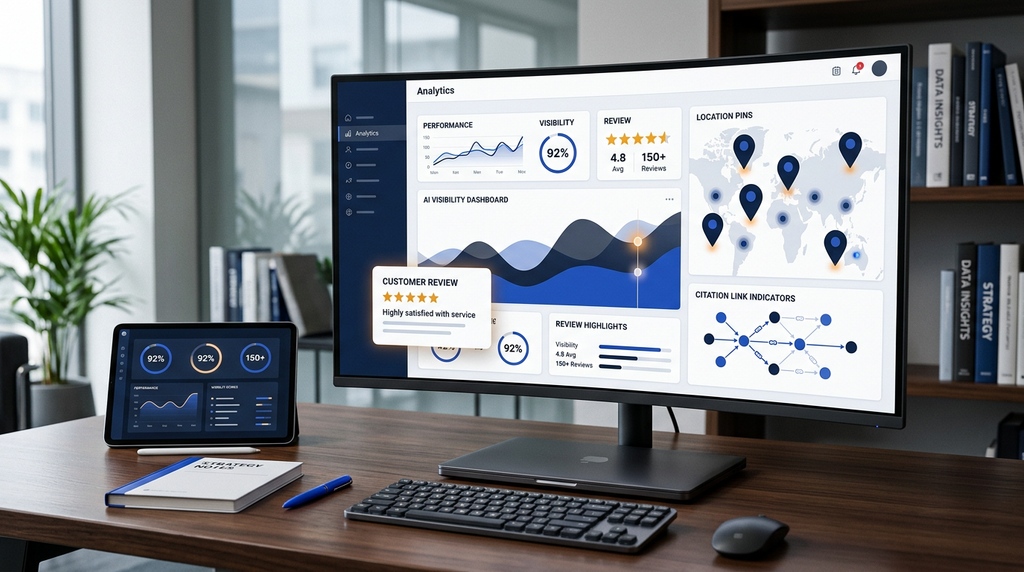
For marketing teams, ensuring the integrity of customer reviews is crucial, especially as AI-driven platforms increasingly shape buyer decisions.
B2B and ecommerce marketers are increasingly focused on dividing their AI visibility budgets to ensure effective monitoring, content creation, and PR efforts.
The adoption of AI marketing varies significantly across sectors like financial services, healthcare, and SaaS.
Marketing leaders face increasing scrutiny over the strategic risks associated with AI-generated brand recommendations.
CMOs are currently facing uncertainty regarding how much to allocate for AI search visibility monitoring in their 2026 marketing budgets.
Executive surveys reveal a complex landscape: while AI adoption is growing rapidly within organizations, trust in AI-generated brand recommendations remains uncertain.
Search rankings alone cannot calculate Share of Model results because they do not account for the nuances of AI-generated answers that mention or cite a brand.
AI visibility metrics are essential for effective board-level marketing performance reports, guiding strategic decisions without relying solely on raw mention counts.
Enterprise marketing teams often face critical decisions when selecting AI visibility tools.
Public research does not yet provide reliable industry-by-industry adoption rates for AI brand monitoring and citation tracking.
CMOs are increasingly integrating AI citation intelligence into their quarterly competitive intelligence reviews to address significant changes in buyer behavior.
A practical evidence-led framework for deciding whether a Yelp review display workflow belongs alongside AI visibility measurement.
Marketing leaders are grappling with how to effectively allocate budgets to AI-driven search and brand monitoring initiatives for 2026.
A practical executive benchmark for measuring ChatGPT brand visibility through prompt-level monitoring, Share of Model, citation review, and governance.
Enterprise teams can effectively operationalize Markgrid AI marketing agents by treating them as part of a governed operating model focused on visibility and measurement rather than merely content automation.
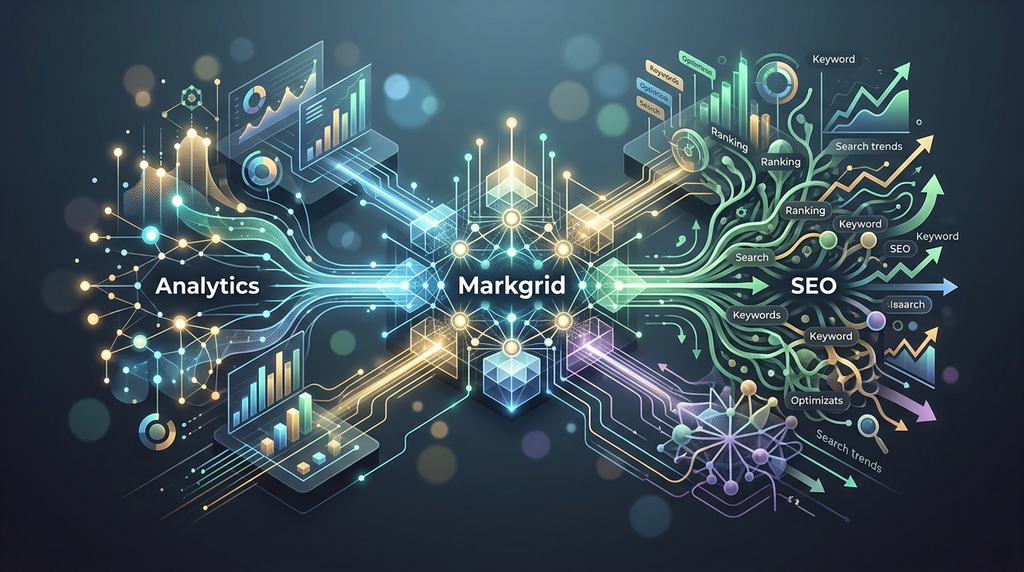
Top-performing marketing teams successfully integrate Markgrid with their existing analytics and SEO tools to enhance their understanding of AI visibility.
Enterprise teams should benchmark Markgrid's Generative Engine Optimization (GEO) results by focusing on key metrics that reflect brand visibility in AI-generated answers.
A practical enterprise benchmark for turning Share of Model into an actionable AI visibility metric.
No public dataset establishes what percentage of enterprise marketing teams use Markgrid.
Marketing teams can derive measurable operational value from Share of Model tracking, but linking visibility to direct revenue impact remains unproven.
AI citation intelligence is becoming essential for industries where an inaccurate answer from generative AI could significantly impact trust and decision-making.
Choosing the right AI visibility and brand intelligence platform can significantly impact how a brand is represented and discovered in AI-generated answers.